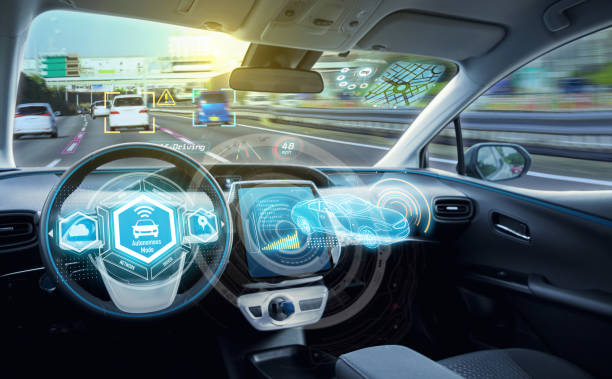
Self driving cars or what they also call autonomous vehicles is like one of those things that everyone talks about but nobody is 100% sure when it will actually happen. Some people beleive that in just a few years we will all be sitting back in the car while it drives us around, others say nah its gonna take decades. Honestly the truth is prob somewhere in between.
Already many cars today have some “self driving” type features – like lane keep assist, automatic braking, cruise control that adjust to traffic. But thats not full autonomous. Real self driving means Level 5 – no human needed, no steering wheel, the car just does everything. And that future, well, its still kinda far.
Where We Stand Right Now
Tesla keeps saying they have autopilot but drivers still need to keep hands on wheel. Waymo is testing robotaxis but only in very specific cities and routes. Uber also tried but had accidents. So tech is there, but its not bullet proof.
Highways are easier for AI cars because everything is straight, signs are clear, less random stuff. Cities are chaos – pedestrians crossing anytime, bad roads, cows, dogs, bikes coming from all directions. This is why the future of self driving is not same everywhere.
Why People Want It
So why all this hype about self driving vehicles? Simple, the benefits are huge:
-
Less accidents, cause humans are distracted, sleepy, drunk, you name it.
-
Convenience – imagine just chilling or working while car drives.
-
Old people or disabled can travel on their own.
-
Less traffic jams if all cars talk to each other.
Sounds great, right? But again, its not that easy in real world.
The Big Problems
Let’s be real – tech still has issues. Sensors like lidar and cameras sometimes don’t see properly in rain, fog, snow. A human adjusts, but AI still struggles.
Then there is law. If an accident happens, who is guilty? The owner? The car company? The software developer? Nobody has clear answer yet.
Also, cost. These systems are super expensive, adding lakhs to car price. Normal people can’t just buy it easily.
And yes, ethical stuff too – like if a car has to “choose” between hitting a pedestrian or crashing itself, what should it do? Humans don’t even have answer to that, so how do you program it?
Jobs and Economy
One scary side – millions of jobs depend on driving. Truck drivers, cab drivers, delivery vans. If cars drive themselves, what happens to these people? Some say they will lose jobs, others beleive new jobs will come in AI, tech, fleet management. But the transition is not gonna be smooth.
At the same time, the business model of owning cars might change. Maybe in future nobody owns cars, we just “call” a self driving taxi when needed. Like Uber but without driver. That could reduce number of cars, change the whole auto industry.
When Will We Actually See It?
Ah the big question. Elon Musk keeps saying “next year” but its been many years now . Experts are divided. Some say 5 years, others say 20. Honestly its hard to predict.
What seems more likely – we will see robotaxis working in some cities this decade, but full adoption everywhere will take longer. Developed countries may see it earlier, developing ones with chaotic roads much later.
Safety and Trust
Accidents have already happened with self driving tests. People expect 100% safety from machines, but even humans are not perfect. If AI reduces accidents by 80–90%, is that enough? Probably yes, but public opinion is tricky.
Then comes hacking risk. Cars connected to internet can be hacked. Imagine hacker taking control of car – scary thought.
Will People Even Want It?
Not everyone wants a car that drives itself. Many love driving, feeling the wheel, the sound of engine. Others feel unsafe trusting a machine. Younger people might adapt faster, but older ones may resist.
So adoption is not just about technology but also human mindset.
The Road Ahead
The future will probably be mixed. Some places will have full self driving cars, others will stay with petrol cars and human drivers. Highways might go autonomous first, while cities stay messy.
Eventually, yes, maybe in 30–40 years most cars will be self driving. But it wont be overnight. Step by step, more automation will come, but humans will still be part of it for a long time.
Conclusion
The future of self-driving vehicles is exciting, scary, confusing all at the same time. The potential is massive – safer roads, more freedom, less pollution maybe. But problems like tech limits, laws, jobs, cost and trust still stand in the way.
Maybe in future our kids will laugh that we once “drove” cars manually, just like we laugh at floppy disks or dial up internet today. But till that tommorow comes, we still sit behind the wheel, while slowly cars get smarter every year.
The journey is long, but one thing is sure – self driving cars are not just science fiction anymore, they are coming, just not as fast as some people beleive.