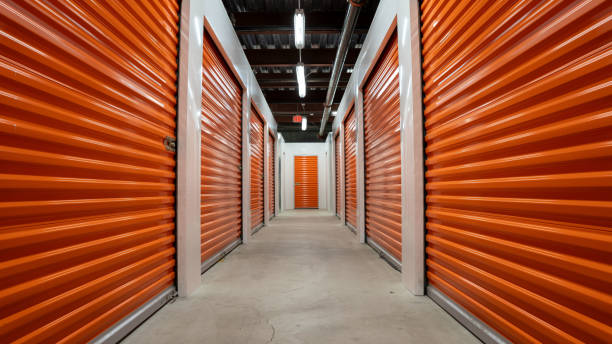
Sensitive belongings need more than a controlled indoor setting to remain in good condition. Proper cleaning, drying, packing, and placement reduce the chance of odors, stains, corrosion, warping, and pressure damage. Renters who prepare each item before move-in can make better use of climate controlled storage from the first day.
Begin by Sorting What Actually Needs Controlled Conditions
Different materials respond to storage conditions in different ways. Paper records, electronics, artwork, leather, wooden furniture, photographs, musical instruments, and natural fabrics often benefit from steadier temperatures and reduced humidity swings.
Durable items such as garden tools, plastic outdoor furniture, and sealed household supplies may not need the same environment. Separating sensitive property from tougher belongings helps renters choose an appropriate unit size without paying for controlled space that serves no clear purpose.
Clean Every Item Before Packing It Away
Dirt, grease, food residue, and skin oils can attract pests or leave permanent marks during long storage periods. Furniture should be dusted, appliances wiped down, tools cleaned, and clothing washed according to its care label.
Residue becomes harder to remove after months inside boxes or covers. Wooden surfaces may need a suitable cleaner, while leather requires products made for its specific finish. Electronics should receive gentle exterior cleaning without moisture entering vents, ports, or internal components.
Make Sure Belongings Are Completely Dry
Moisture trapped during packing can cause problems even inside climate controlled storage. Damp fabric may develop odors, wet appliance seals can support mildew, and moisture inside cartons may weaken cardboard or stain paper.
Air-drying deserves enough time after washing, steam cleaning, or wiping. Rugs, upholstered furniture, bedding, and clothing may feel dry on the surface while deeper layers still hold moisture. Inspecting seams, cushions, folds, drawers, and hidden corners helps prevent damp items from entering storage units.
Choose Packaging That Matches the Material
Strong corrugated boxes work well for books, dishes, records, and small household goods. Plastic totes suit washable items and supplies, although everything placed inside them must be dry because tight lids can trap moisture.
Breathable covers protect furniture, mattresses, leather, and textiles without sealing them inside plastic film. Acid-free folders and archival boxes offer better support for documents, photographs, and artwork. Anti-static materials may also help protect computers, cameras, audio equipment, and other sensitive electronics.
Disassemble Large Furniture Before Move-In
Taking apart bed frames, tables, shelving, and modular furniture can reduce the amount of floor space they occupy. Smaller sections also move through doorways more easily and place less strain on joints during transport.
Hardware should go into labeled bags attached securely to the matching piece. Assembly instructions, photographs, and part numbers can save time later. Protective padding belongs around corners and finished surfaces, while tape should never touch wood, leather, upholstery, or painted areas directly.
Prepare Appliances to Prevent Odors and Corrosion
Refrigerators, freezers, washers, dryers, and small kitchen appliances must be cleaned and dried before storage. Food particles, detergent residue, and trapped water can create unpleasant smells or damage internal parts over time.
Doors on refrigerators and freezers should remain slightly open to allow airflow. Hoses need draining, cords require secure wrapping, and removable shelves should be packed separately. Batteries should come out of portable devices to reduce the risk of leakage and corrosion.
Create an Inventory Before Loading the Unit
A written or digital inventory makes stored property easier to track. Each box can receive a number that matches a list describing its contents, condition, and planned location inside the unit.
Photographs provide an added record for furniture, electronics, artwork, and valuable collections. Clear labels should appear on more than one side of every container. Renters searching for storage units near me can use the inventory to estimate space requirements before reserving a unit.
Plan the Layout Around Access and Airflow
Frequently used items belong near the entrance, while long-term property can sit farther toward the back. A narrow center aisle allows renters to reach boxes without unloading the entire space.
Shelving improves vertical organization and keeps cartons off the floor. Small gaps between furniture, walls, and stacked containers support airflow and make inspections easier. Blocking vents or packing items tightly against doors can reduce access and interfere with the unit’s intended operation.
Stack Boxes With Weight and Stability in Mind
Heavy cartons should remain near the bottom, with lighter containers placed above them. Similar box sizes create more stable rows than mixed piles with uneven surfaces.
Overfilled boxes may split, while partly empty ones can collapse under pressure. Fragile belongings need enough cushioning to prevent movement without forcing the contents against the sides. Tall stacks should remain within a safe height that renters can reach without pulling items down from overhead.
Review Facility Rules Before Bringing Property
Storage facilities often restrict food, fuel, chemicals, plants, ammunition, hazardous materials, and other unsafe or pest-attracting items. Confirming these policies before packing prevents delays and avoids the need to remove prohibited belongings on move-in day.

Access hours, lock requirements, insurance expectations, cart availability, and door dimensions also affect preparation. Storage Partner features storage units for furniture, electronics, documents, artwork, household goods, and other belongings that may benefit from climate controlled storage. Customers can compare available sizes and features, then clean, pack, label, and arrange their property before moving it into the selected space.