Open any fitness page on social media and you’ll see the same pitch repeated in different ways: you need protein powder, and you need it now. Influencers hold up tubs. Shops stack them at the front. Friends at the gym swear their shake changed everything. It’s easy to feel like you’re falling behind if you don’t own one.
So let’s pause and ask the question that rarely gets asked. Do you actually need a supplement? And if you do, how do you buy one safely in a market with so many copycats? This article offers a calm, practical take, with no hype in either direction.
What a Supplement Actually Is
Protein powder is concentrated protein, made by filtering milk, peas, soy, rice, or other sources. It’s food in a convenient form. It isn’t a steroid, it doesn’t have magical properties, and it won’t build muscle without training and enough overall food.
That also means it isn’t dangerous by nature. A scoop of whey is basically dried milk protein. What makes the difference is who’s using it, how much, and whether the product itself is any good.
Who Genuinely Benefits
There are real situations where a supplement helps.
- People who can’t reach their target through food. If you struggle to eat enough because of a small appetite, long working hours, or limited cooking time, a shake can fill the gap.
- Vegetarians and vegans with high needs. Reaching 100 grams or more from plants alone is possible, but it takes effort. Powder makes it easier.
- Serious trainees. Athletes and regular lifters often have higher requirements and appreciate a quick, digestible option after workouts.
- Older adults who eat very little. Some doctors recommend supplements for people with poor appetite or muscle loss.
- People recovering from illness or surgery. A dietitian may suggest one in these cases.
Who Probably Doesn’t Need One
- People who already eat dal, eggs, curd, paneer, chicken, or soy at most meals and reach their number.
- Casual exercisers who walk, do yoga, or go to the gym a couple of times a week without chasing performance goals.
- Teenagers, unless a doctor says otherwise. Growing bodies are best served by balanced meals.
- Anyone who hopes powder alone will fix a poor diet or low activity.
A quick way to check: write down what you eat for three typical days and add up the protein. If you’re already within your range, powder adds little. If you’re 20 to 30 grams short every day, food changes should come first, and powder second.
Food First, Always
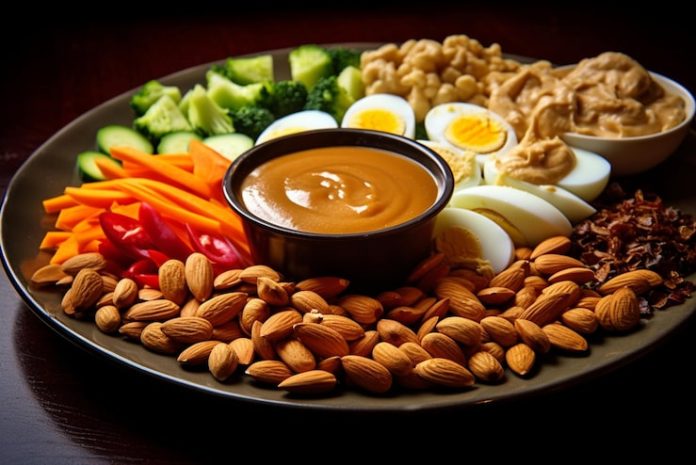
Whole foods give you more than protein. They bring fibre, vitamins, minerals, and healthy fats that a scoop of powder can’t match. A bowl of rajma has iron and fibre, curd has calcium and probiotics, and eggs have choline and B12. Supplements don’t replace any of that.
Try these simple food upgrades before you spend money on a tub.
- Add an egg or a bowl of curd to breakfast.
- Switch plain chai-and-biscuit snacks to roasted chana or peanuts.
- Add dal or sprouts to every lunch and dinner.
- Use soya chunks or paneer twice a week.
- Replace one carb-heavy snack with a glass of milk or chaas.
The Fake Supplement Problem
India has a large market for supplements, and unfortunately, counterfeit products are a real issue. Fake tubs may contain less protein than claimed, cheap fillers, or in rare cases, unlisted ingredients. Here are practical steps to protect yourself when looking through protein brands in India.
Buy from authorised sellers. Use the brand’s official website or distributors listed on it. For marketplace purchases, choose the brand’s own store or a seller with a long, verified record.
Check the packaging. Look for sharp printing, firm seals, consistent fonts, and a clear batch number, manufacturing date, and expiry date. Many brands have a code you can scan or enter online to verify authenticity.
Be suspicious of big discounts. If a tub costs a third less than every other listing, ask why.
Look for the FSSAI licence number. Legal products display it on the label. You can verify it on the FSSAI website.
Watch for tampering. A broken seal, a loose scoop, or an odd smell or texture is a reason to return the product.
Keep your bill. It helps if you need to complain or claim a refund.
Reading the Science Behind the Claims
Reliable supplement makers back their statements with data. Look for independent lab test reports, accurate amino acid profiles, and plain-language descriptions. Be cautious of phrases like “scientifically formulated” or “next-generation” with nothing to support them, and be wary of “proprietary blends” that don’t disclose amounts.
If a company is willing to publish third-party test results, that’s a good sign. When you compare protein brands in India, it’s often the quiet, transparent ones that deserve more attention than the ones with the largest advertising budgets.
Side Effects and Safety
For healthy adults, moderate use is generally safe. Still, some people run into problems.
- Digestive upset. Bloating, gas, or loose stools often come from lactose or sweeteners. Switching type can help.
- Skin issues. Some people notice acne with whey. Try a different source.
- Milk, soy, and egg allergies are real. Stop use and see a doctor if you notice hives, swelling, or breathing difficulty.
- Kidney or liver conditions. If you have either, speak to your doctor before adding any protein supplement.
- Some plant-based powders, particularly rice-based ones, have shown traces of heavy metals in testing around the world. Third-party testing is useful here.
Pregnant or breastfeeding women, children, and teenagers should check with a doctor before starting any supplement.
How Much and When
Most people do fine with one scoop a day, giving 20 to 25 grams. A second scoop only makes sense if you really need it. Timing matters less than many believe. The total across the day counts far more than whether you drink a shake within thirty minutes of training. Still, a shake after a workout, or as a quick breakfast on a rushed morning, is a convenient place to fit it in.
Mix it with water, milk, or soy milk, or blend it into a smoothie with banana, oats, and peanut butter. Don’t treat the shake as a stand-in for a meal, unless it’s balanced with other nutrients.
Storage Tips
- Keep the tub in a cool, dry cupboard, and avoid humid kitchens.
- Close the lid tightly after every use.
- Use the scoop that comes with it, and keep it dry.
- Finish the tub within the time suggested on the label after opening.
- Don’t use it if it smells off, clumps badly, or changes colour.
A Simple Decision Guide
- Work out your daily protein target.
- Track your food for three days to see where you stand.
- Fix gaps with food first.
- If a gap remains, pick a powder that suits your diet and digestion.
- Verify the seller, the batch, and the label before you pay.
- Start with a small pack to test taste and tolerance.
- Review after a month. If it’s not helping, stop.
Questions People Often Ask
Is whey safe for teenagers? It’s best to focus on balanced meals at that age, and speak to a doctor before using supplements.
Can women use the same powders as men? Yes. Protein is protein. The amount depends on body size, activity, and goals, not gender.
Will protein powder make me bulky? Not by itself. Muscle gain takes training, calories, time, and genetics. Most women and many men find that a scoop a day does nothing dramatic.
Does protein powder cause hair loss? There’s no good evidence that protein itself does. Hair changes often relate to genetics, stress, or nutrient deficiencies.
Can I take it on rest days? Yes, if it helps you reach your daily target. Muscles repair on rest days as well.
A Cost Reality Check
Over a year, a daily scoop can cost between Rs 15,000 and Rs 30,000, depending on the product. That’s a significant sum. Spending a portion of it on eggs, paneer, soya, and pulses can give you the same protein with better overall nutrition. If you decide a supplement is worth it, buy sensibly, avoid unnecessary add-ons like fat burners and mass gainers, and put the remaining money into quality food and good sleep.
One More Thing
Remember that a supplement is a tool, and tools can be put down. If your life changes, your diet improves, or the powder no longer suits you, it’s perfectly fine to stop. You haven’t lost anything, and your muscles will keep what you’ve built as long as you keep eating well and training.
Final Thoughts
Protein supplements are neither the miracle the ads promise nor the villain some critics claim. They’re a convenient tool that makes sense for some people and not for others. Start with food, find out where you really stand, and only add powder if you need to. If you do, take your time with the protein brands in India, check for authenticity, and pick one that matches your needs and your budget. Your body will do better with a thoughtful choice than a rushed one.