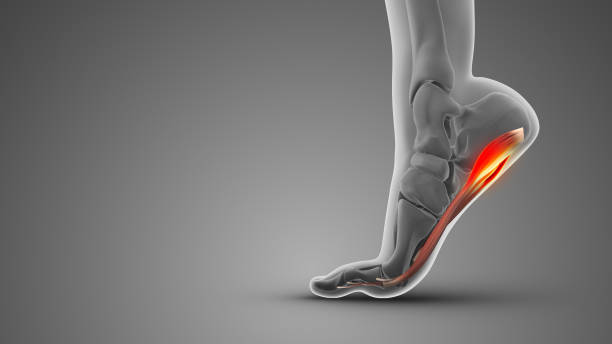
Footwear can quietly change how pressure moves through the heel, arch, and toes during each step. Poor support or an improper fit may force the plantar fascia to absorb more strain than it can comfortably handle. Over time, that repeated stress can worsen plantar fasciitis and make everyday walking increasingly painful.
Zero Arch Support Increases Tension Across the Plantar Fascia
Shoes without meaningful arch support allow the middle of the foot to drop farther under body weight. As the arch lowers, the plantar fascia stretches to help stabilize the foot and keep its structure from collapsing. Repeated tension can irritate the tissue near its attachment to the heel, particularly during long shifts, extended walks, or exercise on hard surfaces.
Support needs vary because flat feet, high arches, and neutral feet manage pressure differently. Generic inserts may help mild discomfort, but they do not correct every mechanical issue. An Athens podiatrist can assess how the arch moves while standing and walking, then determine whether supportive shoes, targeted exercises, or custom orthotics may reduce strain.
Rigid, Unyielding Soles Prevent Natural Foot Flexibility
Stiff soles can block the normal bending motion that should occur near the ball of the foot. Instead of allowing a smooth transition from heel strike to push-off, an unyielding shoe may force the heel and arch to absorb extra pressure. That restricted movement can make the plantar fascia work harder with every step.
Certain work boots and formal shoes feel protective but still bend in the wrong place or barely flex at all. Proper footwear should remain stable through the heel and midfoot while permitting controlled motion near the toes. A plantar fasciitis specialist may examine the sole pattern and flex point to identify whether shoe construction is contributing to symptoms.
Inadequate Heel Cushioning Amplifies Ground Impact Forces
Thin or compressed heel padding transfers more impact from the ground into the calcaneus. Each landing then sends a sharper force through the heel and nearby plantar fascia, which can aggravate already sensitive tissue. Concrete floors, running surfaces, and prolonged standing make this problem more noticeable.
Cushioning should soften impact without making the foot unstable. Excessively soft shoes may allow too much side-to-side movement, while hard soles offer little shock protection. A podiatrist in Athens AL can recommend a balanced design based on body weight, occupation, activity level, and foot structure.
High Heels Shorten the Achilles Tendon, Pulling on the Heel
Elevated heels keep the ankle pointed downward and hold the calf-Achilles unit in a shortened position. Frequent wear may gradually reduce flexibility, making it harder for the ankle to move forward normally during walking. Added tightness can increase pulling forces around the heel and plantar fascia.
Switching suddenly from high heels to completely flat shoes may also trigger discomfort because shortened tissues must stretch farther than usual. Gradual heel-height changes, calf stretching, and supportive footwear often feel more comfortable than an abrupt transition. A plantar fasciitis doctor can check whether limited ankle motion is increasing tension beneath the foot.
Worn-out Midsoles Break down, Altering Proper Foot Alignment
A shoe can look acceptable on the outside while its midsole has already lost support. Foam materials compress with mileage, body weight, heat, and repeated use, reducing their ability to control impact and alignment. Uneven breakdown may cause the heel to tilt or the arch to collapse more on one side.
Rotating shoes does not restore damaged cushioning once the material has flattened. Visible creasing, slanted soles, persistent heel compression, and reduced comfort often signal that replacement is overdue. Reviewing worn footwear can give an Athens podiatrist useful clues about pressure patterns that are difficult to notice during a brief examination.
Flimsy Flip-flops Force Toes to Claw and Overwork Foot Muscles
Loose flip-flops provide little heel stability and often lack a secure upper section. To keep the sandal from slipping off, the toes may curl or grip during each step. That repeated clawing changes the walking pattern and places extra demand on the small muscles supporting the arch.
Limited cushioning and weak sole structure add further stress, especially during long periods of wear. Short trips may not cause trouble, but extended walking in flimsy sandals can aggravate plantar fasciitis. More supportive sandals should include a contoured footbed, a stable heel area, and straps that hold the foot without requiring toe gripping.
Narrow Toe Boxes Squeeze the Forefoot and Disrupt Load Distribution
Tight toe boxes crowd the toes and prevent the forefoot from spreading naturally under weight. Restricted space can shift pressure backward, alter push-off, and make the foot compensate through the arch. Those changes may increase plantar fascia tension even though the shoe feels tightest near the toes.
Adequate width allows the toes to rest flat and move without rubbing the sides of the shoe. Fit should be checked while standing because feet lengthen and widen under body weight. The Foot Clinic can evaluate footwear wear patterns, arch movement, ankle flexibility, and heel pain to help patients identify shoe-related causes and select options that better support recovery from plantar fasciitis.